rice thrips life cycle
The rice plant is an annual grass that produces an edible seed which is the actual rice. Type of reproduction sexual male female oviparity egg-laying In exceptional cases asexual parthenogenesis and live birth.
Online Plant Clinic
Once on the plants they mate deposit eggs and larvae hatch from those eggs.

. Entomologists have described approximately 6000 species. Key thrips lifecycle facts. Thrips lifespan 45 days as an adult not including hibernation.
In the absence of rice the insect keep themselves alive on graminaceous weeds. An Introduction to Thrips Variations in the length of each life stage occur between thrips species but in general. Adult females had a longevity of 13 days.
Rice weevils complete their life cycle in about 8 months to become an adult with wings. Offspring per cycle 20 to 50. Active during daytime.
Thrips begin their life cycle by laying extremely tiny eggs which are usually around 002mm. Adult thrips migrate to seedling rice from wild and cultivated hosts. Thrips reason harm to the plant through piercing the cells of the outside tissues and sucking out their contents causing the encompassing tissue to die.
Thrips begin their life cycle by laying extremely tiny eggs which are usually around 002mm. It grows rapidly and can mature from seed to a crop ready for harvest in 5 months or less. At 73 degrees F an optimal temperature rice root aphid populations can double every 16 days.
Larvae emerge and begin to feed on the plant. Life Cycle of Thrips. Generally six life cycles are completed by the insect in one year.
Egg period 3-5 days life cycle completed in 13-19 days. An average of 17 days was required to complete the life cycle from egg to preovipositing adult. The adult thrips are active in the day moving to look for young rice plant and other hosts.
Periods of dry weather favor the development of the rice thrips. Timing The Release Of Beneficials Is Critical To Biocontrol Success Plant Protection Insects Plants. They live about two years depending on the environment conditions.
Life Cycle of a Rice Plant. An average of 17 days was required to complete the life cycle from egg to preovipositing adult. Indoors the life cycle of cannabis aphid will.
The ensuing silver-grey patches on leaves and the black dots in their excreta point out their presence in the crop. Females deposit eggs directly in the host tissue. It can cause outbreaks and destroy rice fields.
They fly only weakly and their feathery wings are. It can exist in two forms. The maximum life span for adults is about 80 days.
After two molts the larva enters the pre-pupal stage lasts about 1 day during which wing buds are developing externally. Pupation takes place inside the tunnels formed by larvae which lasts for nearly 5 days. Rice weevils pretend death by drawing their legs close to body and remaining silent even when disturbed.
In temperate areas the insects migrate and hibernate on graminaceous weeds during the winter. Its damage can be as high as 100 when severe. Larvae mature to the adult stage.
Generations per year up to 40. The life cycle of thrips is 10- 20 days and most of them live on rice or corn or weeds. Its popularity as a food item has led to its cultivation on a global scale.
Yellow stemborer damage can lead to about 20 yield loss in early planted rice crops and 80 in late-planted crops. Spray endosulfan 35 EC 80 ml or monocrotophos 36 WSC 40 ml800 m2 nursery. Females will lay up to 400 eggs over their lifetime at an average of 3-6 eggs per day.
Rice thrips life cycle. During its life span of 5 months it lays a total of about 250-400 eggs. Thrips are also liable for the transmission of viruses.
Thripidae family Biology life cycle. Damping Off Is A Disease Of Seedlings Caused By One Of Several Different Fungi That May Either Be Present In The Soil Or Seed B Garden Solutions Damp Seedlings. These insects are present in all rice environments.
No standing water in the rice fields encourages damage. The effects of plant age adult density and temperature on fecundity and population growth were determined. They lay their eggs singly or in clutches on plants leaves and other areas such as flower buds and fruits.
In spring females insert eggs into the tissues of flowers leaves or stemseach female can produce up to 80 eggs. Both larvae and adults feed on young rice plants. Rice root aphid Rhopalosiphum abdominale which develops on roots of Cannabis and many other plants is sometimes a common aphid in Cannabis grown as indoor production.
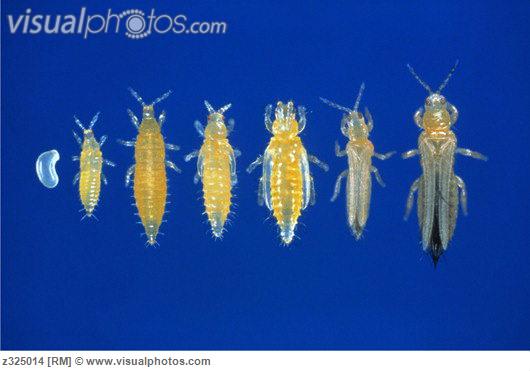
Thrips hatch from an egg and develop through two actively feeding larval stages and two nonfeeding stages the prepupa and pupa before becoming an adult. The life cycle of thrips is 10- 20 days and most of them live on rice or corn or weeds. The adults can live for about a month during which time they can produce several new daughters each day.
The total life cycle is completed in about 20-25 days. Rice weevil lays its eggs in crevices of kernels or dust. Adults dark brown female inserts the eggs singly within the leaf tissues in young leaves.
No rice weevils will not bite or sting humans. Rice is an aquatic plant and is commonly grown in flooded fields. An average of 17 days was required to complete the life cycle from egg to preovipositing adult.
Female rice weevil lays about 4 eggsday. During that time they laid 27 eggs primarily in the youngest leaf of the rice plant. A single generation can be completed in 28 days.
They develop rapidly and will mature in about 9-10 days. Damage is caused by the loss of plant fluids. Striped stemborer is one of the most important insect pests in Asia.
Late-instar larvae change greatly in appearance and behavior and are called prepupae and pupae even though thrips do not have a true pupal stage. White stemborer is an important pest in rainfed wetland rice. Thrips order Thysanoptera are minute mostly 1 mm long or less slender insects with fringed wings and unique asymmetrical mouthparts.
Fecundity and population growth were influenced by plant age and adult density. Life Cycle of Thrips Adults and pupae thrips overwinter in the soil. A female thrip can produce up to 80 eggs per cycle.
Different thrips species feed mostly on plants by puncturing and sucking up the contents although a few are predators. In the tropics the rice thrips becomes abundant in dry periods from July to September and January to March.
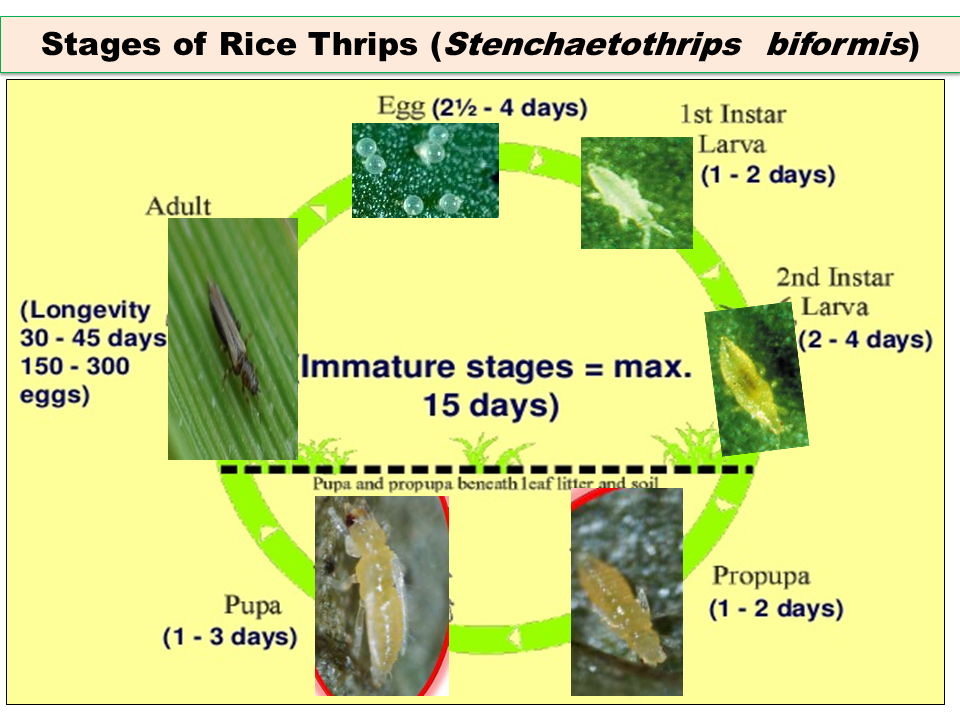
Stages Of Rice Thrips Stenchaetothrips Biformis Paddy Insect
2

Knowledge Bank Thrip Management In Rice

Factsheet Greenhouse Thrips Heliothrips Haemorrhoidalis
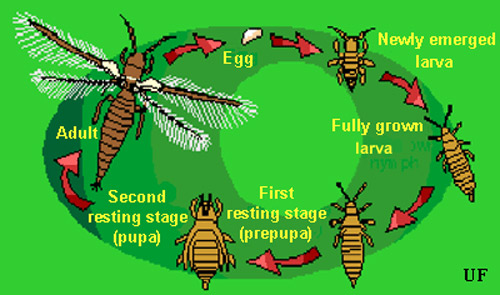
Melon Thrips Thrips Palmi Karny
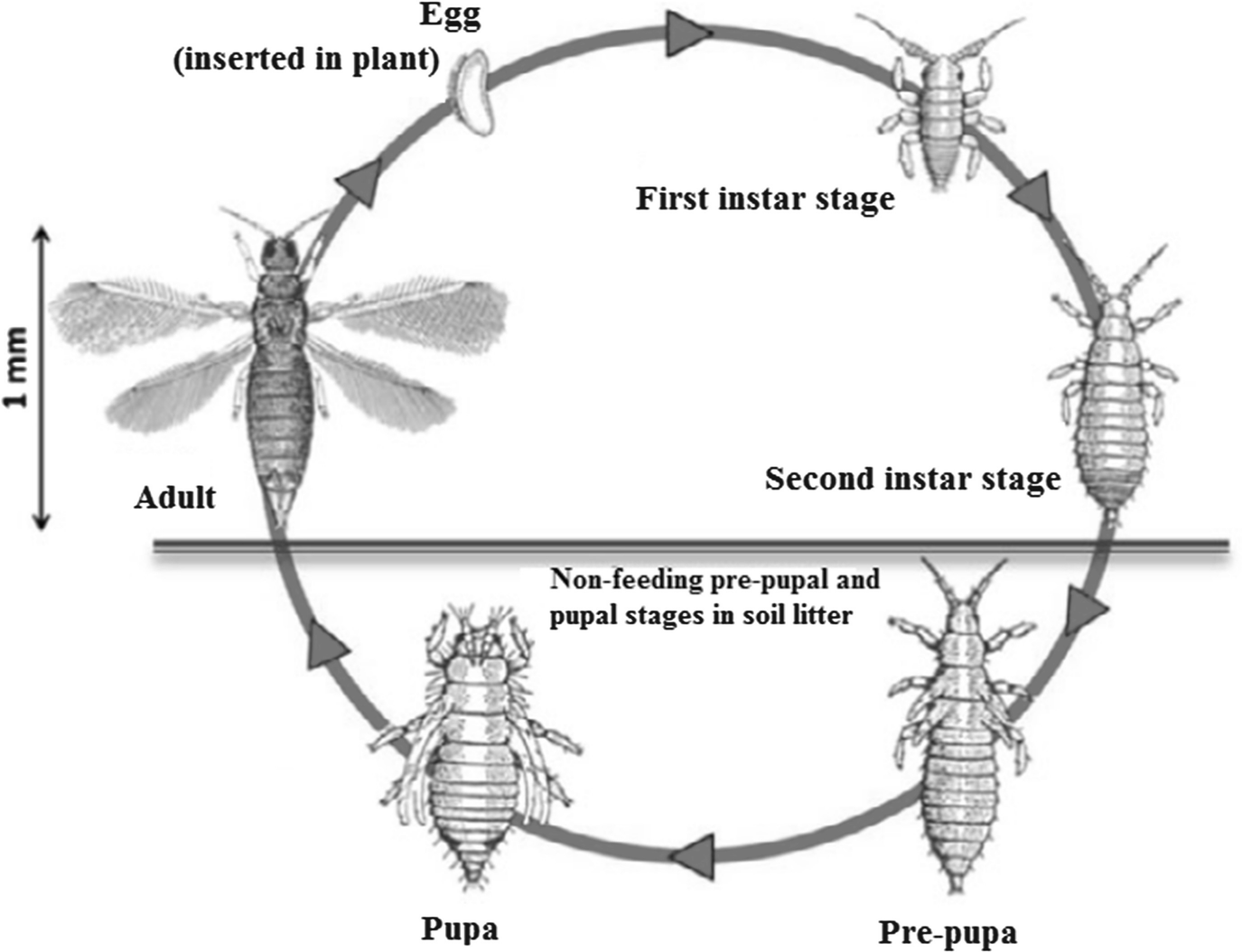
Thrips Springerlink

Western Flower Thrips Management And Tospoviruses Aphids Life Cycles Greenhouse
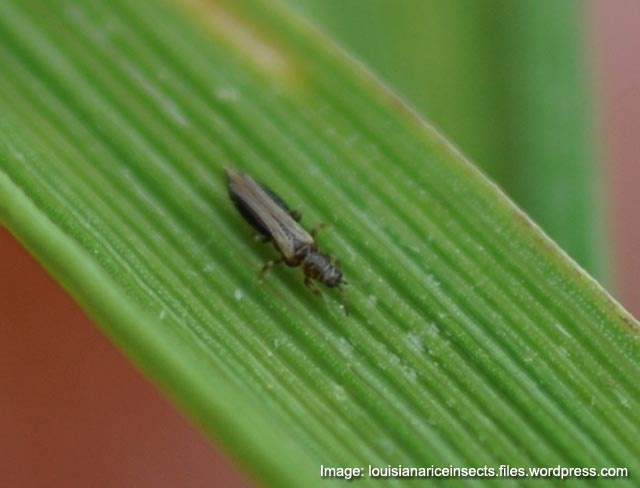
Rice Thrips Irri Rice Knowledge Bank

Chemical Control Of Western Flower Thrips Agriculture And Food

Thrips
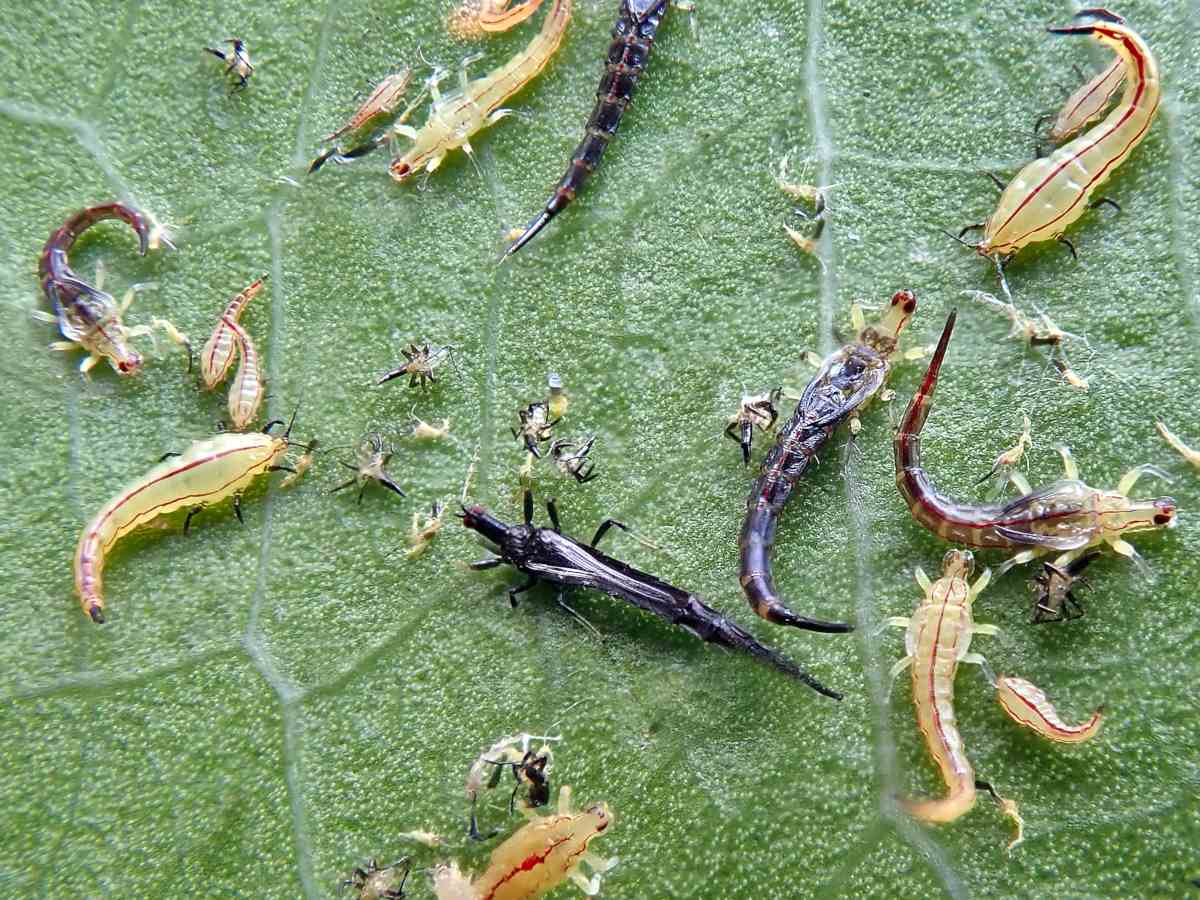
Lifecycle Of Thrips From Egg To Instar To Adult In Under 10 Days

Pest Categorisation Of Thrips Palmi 2019 Efsa Journal Wiley Online Library
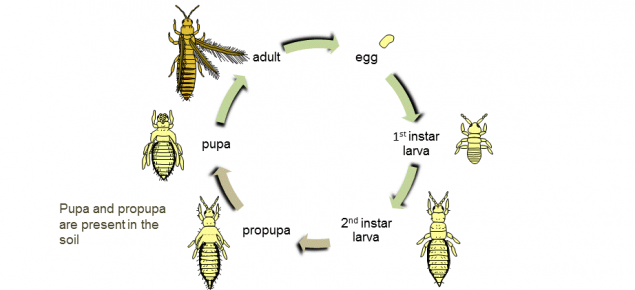
Chemical Control Of Western Flower Thrips Agriculture And Food
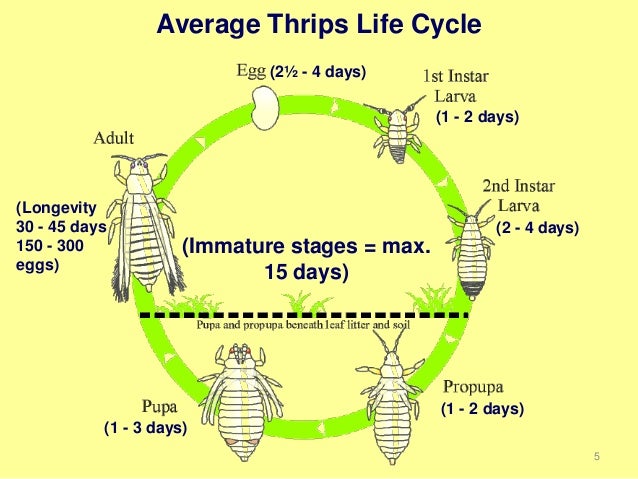
Thripo Horizon Group
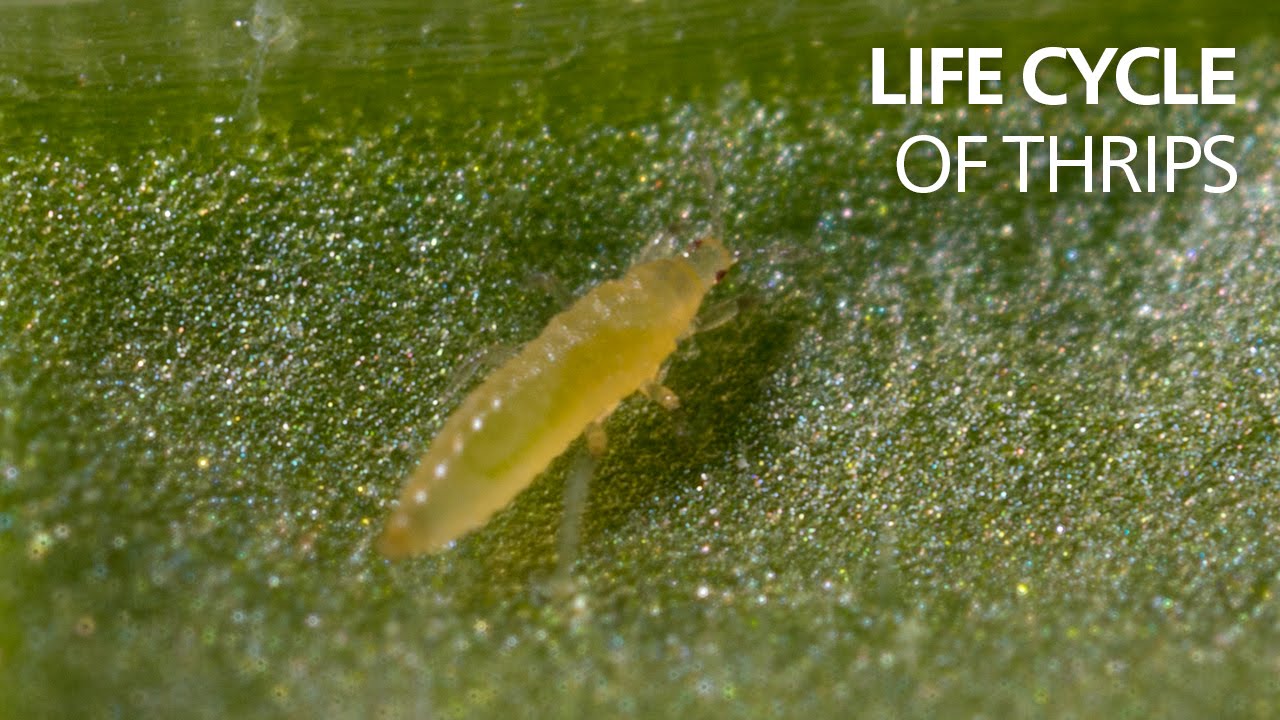
The Life Cycle Of Thrips Youtube
Thrips
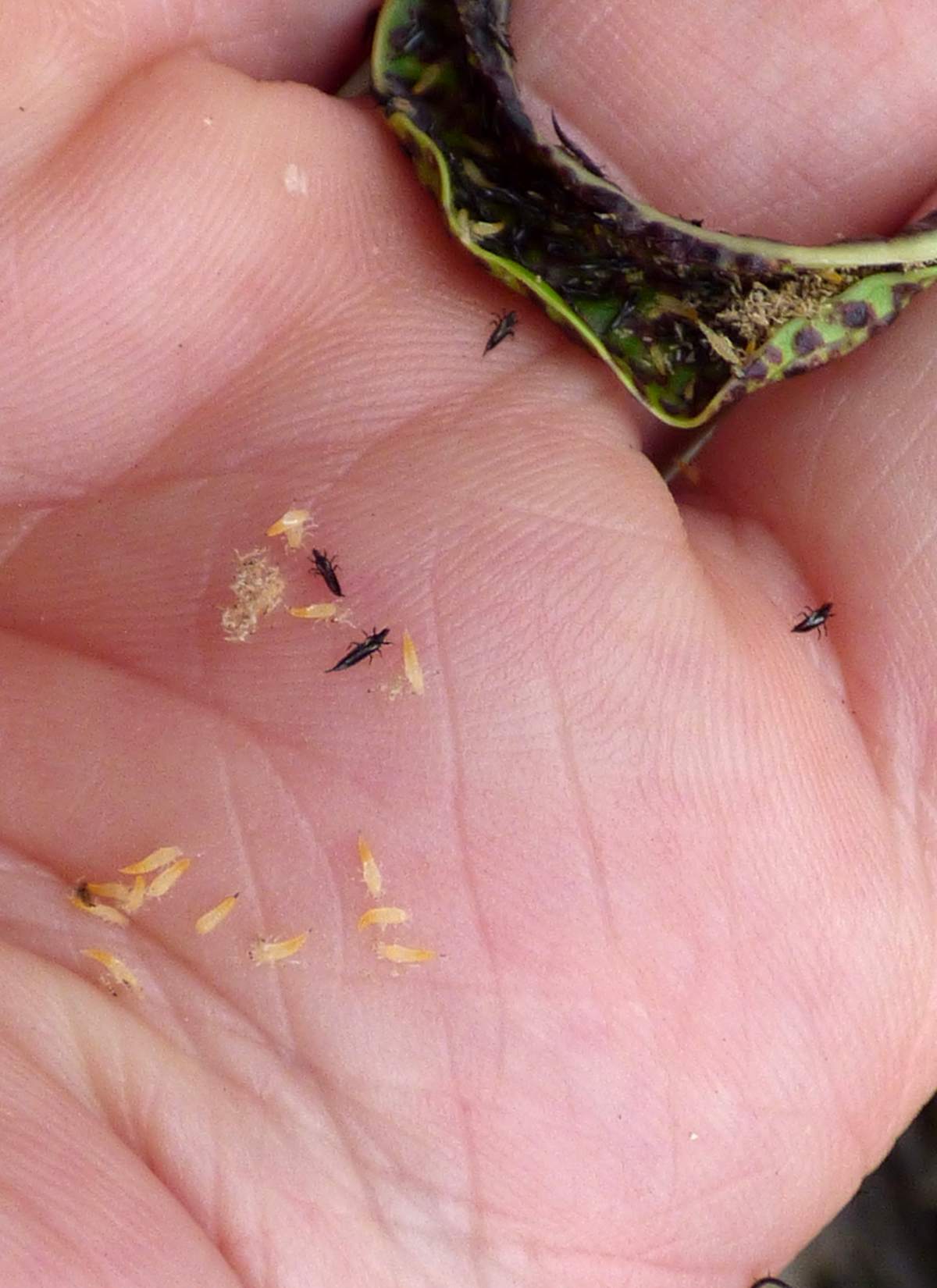
Lifecycle Of Thrips From Egg To Instar To Adult In Under 10 Days
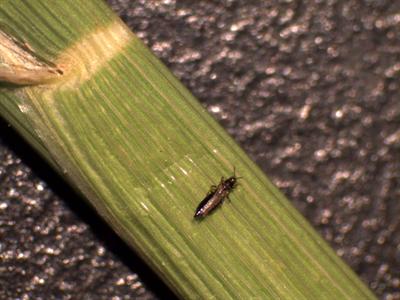
Online Plant Clinic
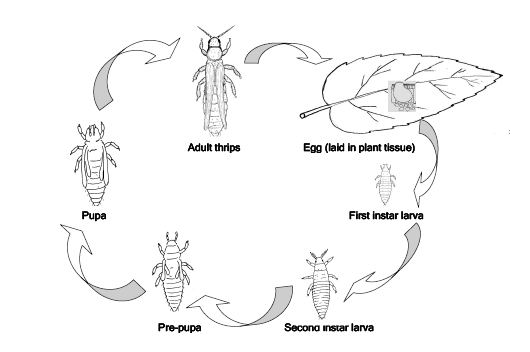
Thrips Infonet Biovision Home